

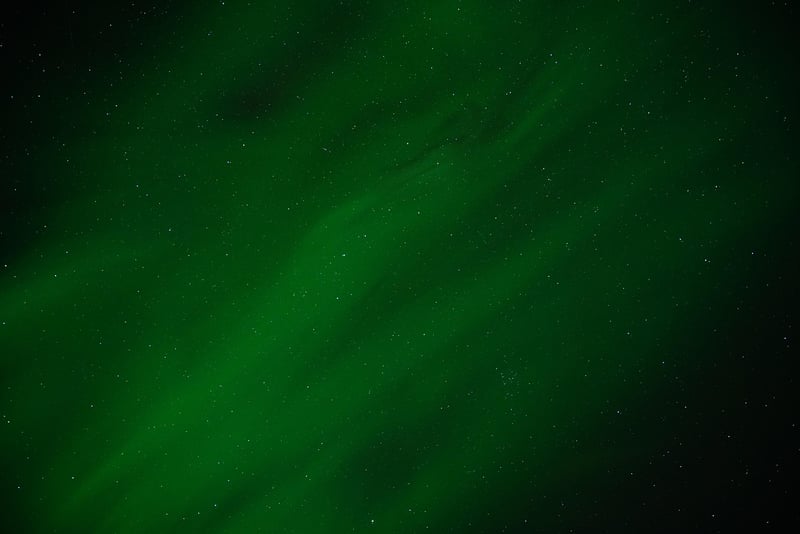
The Enchanting Night Sky: A Glimpse into Celestial Events
There's something truly mesmerizing about gazing up at the night sky. Whether you're a seasoned stargazer or a casual observer, the celestial events that take place above us never fail to captivate our imagination. From meteor showers to lunar eclipses, the night sky offers a show that is both beautiful and awe-inspiring.
Stargazing Basics
Before diving into the world of celestial events, it's essential to understand the basics of stargazing. Find a location away from city lights to minimize light pollution, use a star map or stargazing app to identify constellations, and allow your eyes to adjust to the darkness for optimal viewing.
Meteor Showers
Meteor showers occur when the Earth passes through debris left behind by comets. These cosmic fireworks light up the night sky with shooting stars, creating a spectacle that is both breathtaking and magical. Popular meteor showers include the Perseids in August and the Geminids in December.

Lunar Eclipses
During a lunar eclipse, the Earth comes between the Sun and the Moon, casting a shadow on the lunar surface. This celestial event transforms the Moon into a stunning red or copper hue, creating a striking visual display in the night sky. Lunar eclipses are safe to watch with the naked eye and occur a few times a year.
Planet Spotting
On clear nights, you can spot bright planets like Venus, Mars, Jupiter, and Saturn with the naked eye. These planets appear as bright, non-twinkling objects in the night sky and add to the celestial beauty above. Telescopes can enhance your view and allow you to see details like Jupiter's moons or Saturn's rings.
Conclusion
The night sky holds a treasure trove of celestial events waiting to be discovered. Whether you're watching a meteor shower, witnessing a lunar eclipse, or spotting planets in the sky, each experience offers a glimpse into the vastness and wonder of the universe above us. So, grab a blanket, head outside, and let the beauty of the night sky mesmerize you.